Can Schools in Leeds have Solar Panels? - 2026
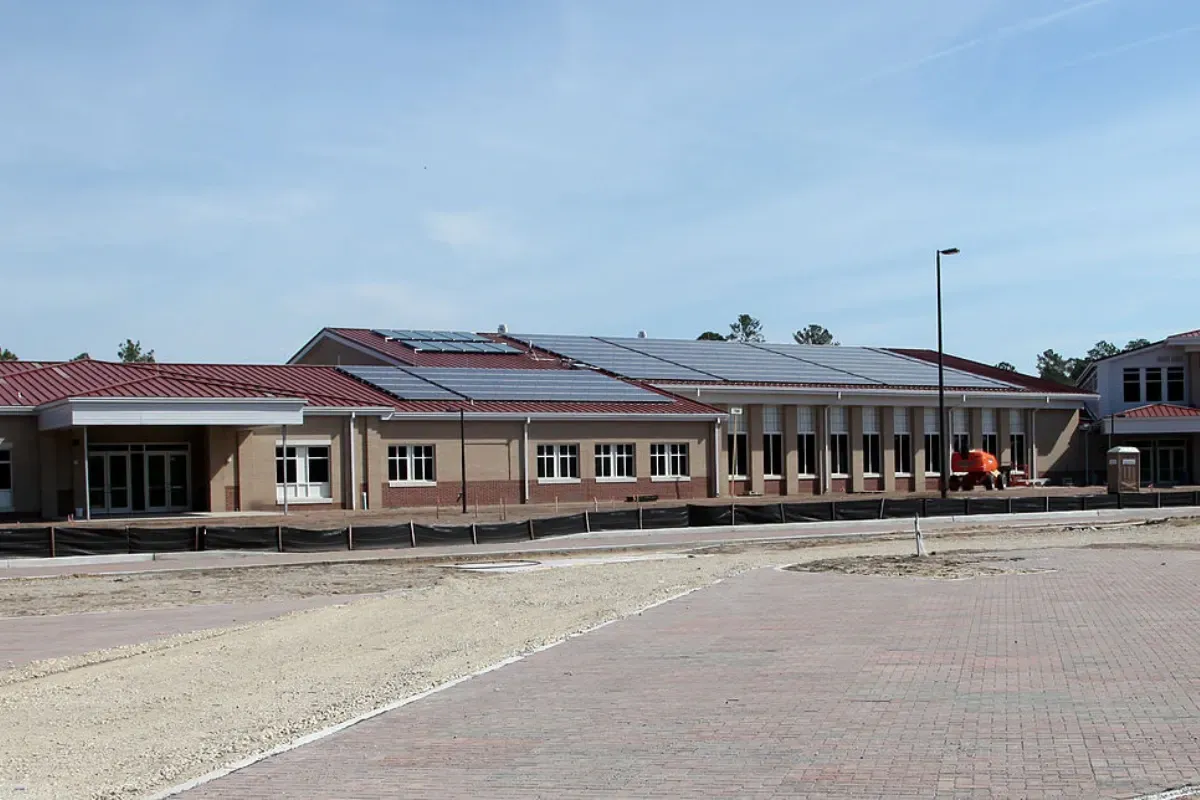
Think of a primary school in Roundhay saving upto ~£25,000 yearly on electricity while students track real-time power generation from panels overhead. That's what solar is delivering to schools across Leeds right now. With 2025's government funding covering installation costs, Yorkshire's schools can finally cut loose from rising energy bills and turn their roofs into revenue generators.
Quick Take: Leeds schools can absolutely install solar panels. Government schemes like Great British Energy provide fully-funded installations, slashing electricity costs while creating powerful teaching tools. From Headingley to Horsforth, schools are leading Yorkshire's clean energy transformation.
Table of Contents
Why Schools Are Turning to Solar Panels
How Solar Panels Work on School Buildings
Key Benefits of Solar for Schools
Costs, Funding, and Grants for School Solar Projects
Planning and Installing Solar on a School
Maintaining and Monitoring a School Solar System in Leeds
Why Schools Are Turning to Solar Panels
School budgets are getting squeezed harder every year. Between staffing costs and maintaining aging buildings, energy bills often feel like dead money - thousands of pounds disappearing each term with nothing to show for it. Leeds schools are fighting back by generating their own power.
A well-sized solar panel system can cover up to 75% of a school's electricity needs straight from the roof. That's three-quarters of your power bill sorted. Better yet, when school's out - weekends, holidays, summer breaks - those panels keep generating. The surplus flows back to the grid, and you get paid for it. Schools are essentially running mini power stations during the holidays.
Take a walk through Chapeltown or Meanwood and you'll spot plenty of Victorian school buildings that haven't seen major upgrades in decades. Solar offers these older structures a modern fix without massive renovation costs. You're not just saving money - you're cutting pollutants that affect kids' health and local air quality.
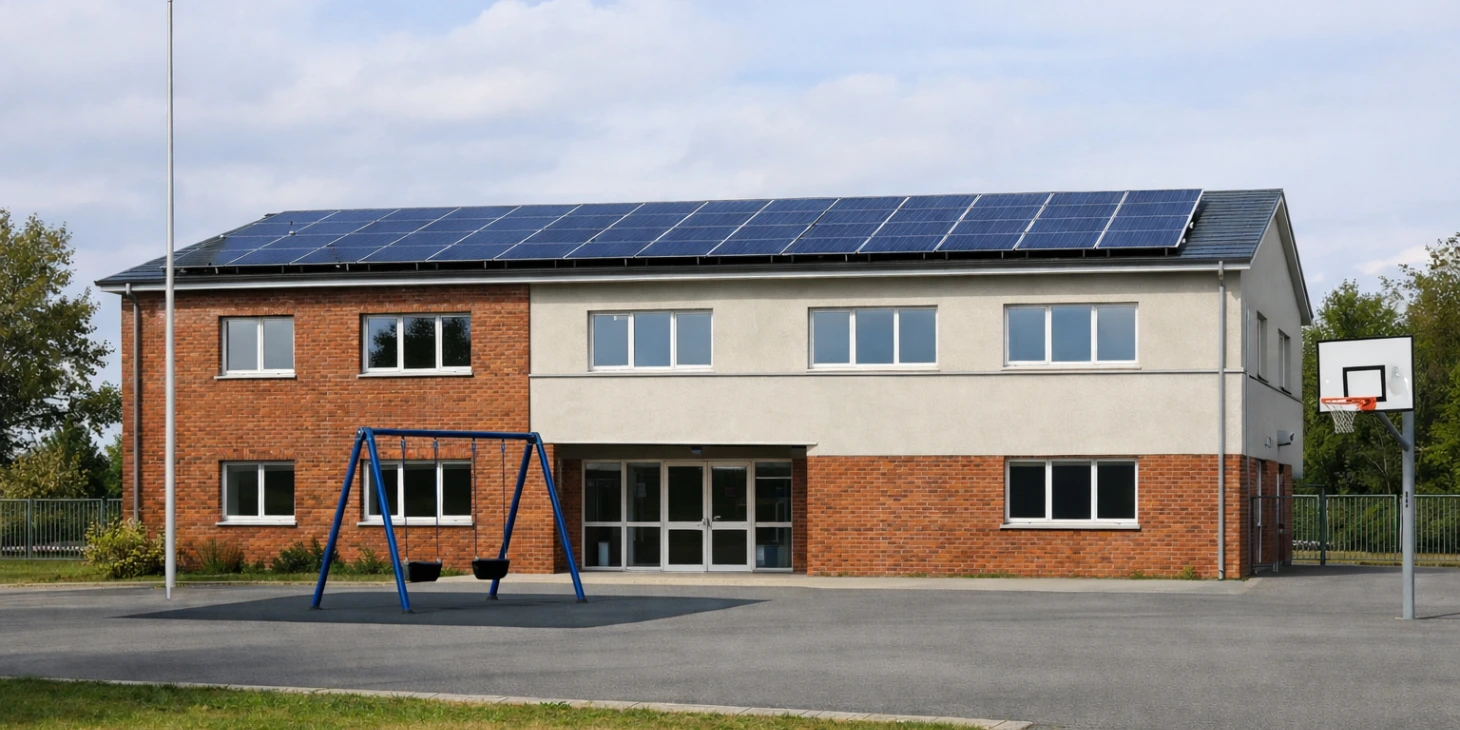
Then there's the teaching angle. A 50kW array on your school roof becomes the best science equipment you'll ever buy. Physics lessons suddenly involve real semiconductors converting actual sunlight into measurable electricity. Maths classes calculate real savings using live data. Environmental studies discuss climate action happening right above the classroom. When a dashboard in the corridor shows your school generated 50 kilowatts this morning, renewable energy stops being abstract theory and becomes something kids can genuinely understand.
How Solar Panels Work on School Buildings
Solar panels are simpler than most people think. Silicon cells inside each panel catch photons from sunlight and knock electrons loose, creating direct current electricity. String multiple panels together across your roof, and you've got an array pumping out serious power.
That DC electricity runs to an inverter - usually tucked away in a plant room - which converts it to AC power that matches what comes from the grid. Your school uses this solar electricity first, automatically. If you're generating more than you need, the excess flows back to the grid and you get credited for it. On cloudy days or at night, you just pull from the grid as normal. The whole thing switches seamlessly without anyone touching a button.
Before installation, engineers check three critical factors: roof direction (south-facing catches most sun, but east-west works fine), structural strength (can those rafters hold the weight?), and shading (any tall trees blocking light?). If your school's in somewhere leafy like Roundhay Park, tree placement matters. If the main roof won't work, there's always car park canopies or ground-mounted options.
Installation itself is quick. Once permits clear, installers fix the racking, bolt down panels, run cables, and wire up the inverter. Most school solar panel systems go up in under a week, scheduled for half-term or weekends so lessons continue uninterrupted. After a safety check and meter swap, you're generating power.
Key Benefits of Solar for Schools
Serious Money Back in the Budget
A typical school solar panel installation pays for itself within 5 to 10 years through energy savings. After that, you're looking at 15 to 20 years of essentially free electricity. Schools across England are banking upto ~£25,000 annually in reduced bills. That's funding that can actually go toward education rather than utility companies.
Getting Paid When School's Closed
Your panels keep generating during holidays when the building's empty. That surplus electricity gets sold back to the grid, creating income when you'd normally just be paying standing charges. Summer holidays become revenue generators rather than dead periods for your energy costs.
Real Environmental Impact
A 50kW system on a Leeds school roof generates roughly 37,000 kWh yearly while eliminating 5 to 12 tonnes of CO₂ emissions. Scale that across schools in Kirkstall, Armley, and Beeston, and you're talking genuine progress toward Yorkshire's net-zero targets. Less coal and gas burned means cleaner air for the kids walking through your gates each morning.
Turning Roofs into Classrooms
This is where solar panel installations really shine for schools. Your system becomes live teaching equipment that never needs booking out. Physics teachers explain semiconductors using the actual panels overhead. Maths lessons calculate kilowatt-hours from real generation data streaming to classroom screens. Geography and environmental studies explore renewable energy using your school as the case study.
Install a live dashboard in the main corridor and students watch power generation climb on sunny mornings. They see the connection between those panels on the roof and the lights staying on in their classroom. When you're teaching renewable energy using your own school's solar panel system generating power right now, the concept clicks in ways textbooks never manage.
Kids seeing this technology daily start thinking differently about energy careers. They're watching clean energy work in practice, which opens doors to engineering, environmental science, and renewable technology paths they might never have considered otherwise.
Supporting Leeds' Grid
Schools with solar panels pull less power during peak hours, easing pressure on Yorkshire's grid. Add battery storage and you can ride through short outages, potentially serving as community hubs during emergencies. When Horsforth or Pudsey schools go solar, they're showing local families what's possible - environmental leadership that starts conversations across the whole community.
Costs, Funding, and Grants for School Solar Projects
Upfront, a 50 to 100 kW school system runs £80,000 to £150,000. That sounds steep until you realize government funding covers most of it. Great British Energy just allocated £180 million for school solar installations - fully funded, including panels, inverters, labour, and grid connection. If your school gets selected, your installation cost is essentially zero.
The Public Sector Decarbonisation Scheme (PSDS) has pumped over £2.4 billion into public building energy efficiency since 2020. Phase 4 runs through 2025-2028, continuing support for schools installing solar panels and other renewables.
With funding covering installation and upto ~£25,000 yearly savings starting immediately, Leeds schools have the financial backing to make this work.
Planning and Installing Solar on a School
Site Evaluation
First step: get a qualified installer to survey your building. They'll assess roof direction (south-facing is best, but east-west works), structural strength (those Victorian rafters need to handle the weight), and shading issues. Got mature trees around your Chapeltown or Hyde Park school? That assessment becomes critical. If the main roof won't work, alternative setups like car park canopies or ground arrays can do the job.
Permits and Regulations
Most school solar panel installations qualify as permitted development. The rules are straightforward: panels can't stick out more than 200mm from pitched roofs and can't sit higher than your roof's peak. Listed buildings or conservation areas face tighter restrictions, but experienced contractors handle the paperwork.
Installation Timeline
Work gets scheduled for weekends or half-term to keep disruption minimal. After installation, inspectors verify everything meets safety standards. The utility company swaps your meter and authorizes grid connection. Your solar panel system starts generating immediately, with cloud monitoring tracking every kilowatt produced.
Maintaining and Monitoring a School Solar System in Leeds
Here's what makes solar panels brilliant for school budgets: they barely need any attention. No moving parts means there's almost nothing to break. Compare that to boilers needing annual servicing or HVAC systems requiring constant filter swaps.
Yorkshire weather does most of the work for you. Rain washes dust, pollen, and debris off the panels naturally, keeping them efficient without staff lifting a finger. Schools in leafier areas might need manual cleaning twice yearly if birds frequent the roof - it's a few hours' work at most.
Schedule a professional inspection every three to five years to check connections and spot any wear before it becomes an issue. The inverter usually lasts about 10 years, with warranties covering replacement when needed. Modern systems send email or app alerts the moment something needs attention, so you're not discovering problems through reduced output months later.
Running costs? Nearly nothing. Your solar panel system works quietly for 25 to 30 years without demanding much attention or money. If you've added solar battery storage, check the battery during maintenance visits, but even that's straightforward.
Final Thoughts on Solar Panels for Schools
Solar panels make sense for Leeds schools on every level. You're slashing energy bills, cutting carbon emissions, and creating teaching tools that bring STEM lessons to life. With government funding covering most upfront costs, the financial barriers have vanished.
Whether you're in North Leeds,South Leeds,East Leeds,West Leeds, or the city centre, funding exists to help your school make the switch. Ready to explore what solar can do for your school? Get in touch and we'll show you how Leeds schools are leading Yorkshire's clean energy transformation.

Solar Panels on School FAQs
How much do solar panels cost and when will they pay for themselves?
Before grants, expect £80,000 to £150,000 for a typical 50 to 100 kW school system. But here's the thing - government schemes like Great British Energy often cover the entire cost. You're saving roughly upto ~£25,000 yearly, so even if you paid full price, you could break even within 5 to 12 years. After that, you're generating free electricity for the next 15 to 20 years.
Do solar panels require a lot of maintenance?
Barely any. No moving parts, 25 to 30-year warranties, and Yorkshire rain handles most cleaning but manual cleaning is also good to have done once in a while. Check the inverters every decade or so. That's about it. Your solar panel array runs on autopilot for decades.
Will installing panels disrupt school activities?
Installation gets scheduled for weekends or holidays. The physical work takes under a week. School runs normally on grid power until the panels switch on. With decent planning, lessons continue without interruption.
Do solar panels still work in winter or cloudy weather?
Yes. Output drops on overcast days, but the panels still generate power. When clouds roll in or winter hits, your school automatically pulls more from the grid. The system balances itself seamlessly - you always have reliable electricity regardless of Leeds weather.
What if our school roof isn't suitable?
Car park canopies work brilliantly. They provide covered outdoor space while capturing sunlight. Ground-mounted arrays are another option. Start with a professional site assessment to see what works for your building.
How long do solar panels last, and what about end of life?
Panels stay productive for 25 to 30 years, with warranties guaranteeing 80 to 90% capacity after quarter century. When they finally retire, the metal frames, glass, and copper get recycled. UK recycling programs are expanding to handle end-of-life panels properly.
Is government financial support available for school solar?
Absolutely. Great British Energy offers grants covering full installation costs for selected schools. The Public Sector Decarbonisation Scheme has allocated £2.4 billion since 2020 for public building energy projects. Tax allowances and low-interest loans add further support.
Want more details? Visit our homepage or read about us to see how we're helping Leeds schools harness clean energy. Check our blog for more solar insights.