Ground vs Roof-Mounted Solar Panels - Leeds 2026 Guide
Picture this: you're in your Leeds home, watching energy bills climb month after month, and you've finally decided it's time to harness the power of the sun. But here's where things get interesting. Do you install those solar panels on your roof like most people, or do you set them up in your garden? The choice between roof-mounted solar panels and ground-mounted solar panels in Leeds can seriously affect your energy output, your budget, and even your property's future value.
For most Leeds properties, roof-mounted panels are the best choice because they're more affordable, simpler to install, and work brilliantly on south-facing roofs. However, ground-mounted panels become the smart option when your roof isn't suitable, you need maximum energy generation, or you have ample land space and high electricity demands.
Quick Take: Roof-mounted panels cost £6,000-£7,000 for a typical 4kW system and work well for most Leeds homes with decent roof orientation. Ground-mounted panels cost £8,500-£10,200 but produce 20-25% more energy and suit properties with poor roof conditions, high energy needs, or ample garden space.
Table of Contents
What Are Ground-Mounted and Roof-Mounted Solar Panels?
Domestic Solar Installations: Ground or Roof?
What are the Cost Differences for Domestic Solar Installations?
What are the Energy Output Differences for Domestic Solar Installations?
Commercial Solar Installations: Ground or Roof?
What are the Cost Differences for Commercial Solar Installations?
What are the Energy Output Differences for Commercial Solar Installations?
What Are Ground-Mounted and Roof-Mounted Solar Panels?
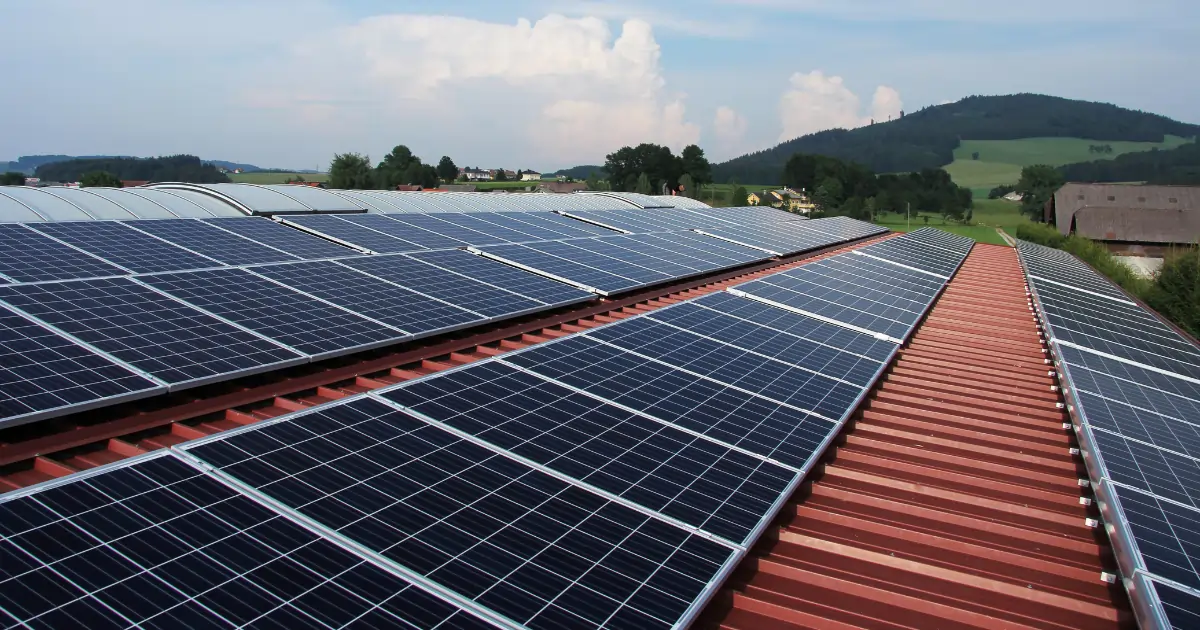
Let's start with the basics. Roof-mounted solar panels are exactly what they sound like: solar panels fixed directly onto your roof structure. They use your existing roof space and are typically attached with rails and mounting brackets. Most Leeds homes you see with solar have gone this route.
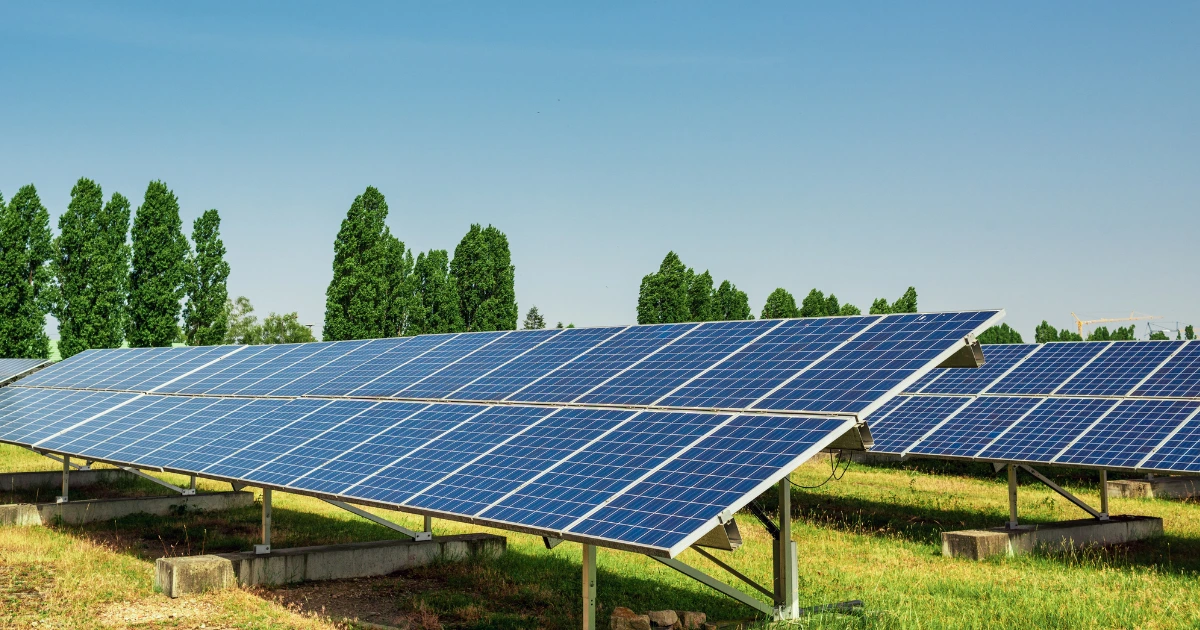
Ground-mounted solar panels, on the other hand, are installed on purpose-built frames or structures in your garden, yard, or any available land space. Think of them as standalone solar installations that don't rely on your building's structure at all.
Both systems do the same job, converting sunlight into electricity for your Leeds property. The difference lies in where they sit and how that affects everything from installation costs to energy output. In Leeds' mix of Victorian terraces, back-to-backs, modern developments, and everything in between, both options have their place.
The beauty of having choice means you're not stuck with whatever your roof dictates. Got a north-facing roof that's not ideal for solar? Ground-mounted panels might be your ticket to serious energy savings. Roof in perfect condition and facing south? You might not need to look beyond a traditional solar panel installation.
Domestic Solar Installations: Ground or Roof?
When Are Roof-Mounted Panels the Best Choice for Leeds Homes?
For most Leeds homeowners, roof-mounted solar panels are the go-to choice, and for good reason. If your roof faces roughly south and isn't heavily shaded by neighbouring buildings or trees, you're already onto a winner.
Roof-mounted solar panels make perfect sense when:
Your roof's in good condition and properly oriented. South-facing roofs are ideal, but east and west work well too
Space is at a premium. Whether you're in a City Centre terrace, South Leeds semi, or East Leeds property, roof panels don't eat into your garden space
You want the simplest installation. Most roof installations in Leeds fall under permitted development, meaning no planning permission needed
You're working with a standard budget. Roof installations typically cost less upfront than their ground-mounted cousins
Leeds' housing stock varies enormously, from Victorian terraces in areas like Headingley to modern developments in West Leeds, traditional back-to-backs in North Leeds, and suburban properties across the city. The good news? Most can accommodate roof-mounted systems effectively.
One major advantage in our city is that roof panels tend to be less affected by the urban environment. While your neighbour's extension might shade ground-level panels, your roof often gets clearer access to sunlight. Plus, they're completely out of the way, with no impact on your garden plans or outdoor space.
When Do Ground-Mounted Panels Make More Sense for Homeowners?
Ground-mounted solar panels become the smart choice when your roof just isn't playing ball. Here's when Leeds homeowners should seriously consider going ground-level:
Your roof's working against you:
Facing north or heavily shaded by surrounding buildings
Structural issues that can't support the weight of the panels
Listed building restrictions (common in Leeds' conservation areas)
Complex roof shape with dormers, chimneys, or awkward angles
You need serious energy production:
High electricity usage that demands maximum solar output
Large property with ample garden space to accommodate a bigger system
Plans to add electric vehicle charging or solar battery storage
Ground-mounted solar panels offer one massive advantage. They can be positioned and angled perfectly for Leeds' latitude. While your roof's stuck at whatever angle it was built at, ground panels can be set at the optimal 30-40 degree tilt, facing due south.
The catch? You'll need planning permission for most ground installations in Leeds, especially if they're larger than 9m² or taller than 4m. It's not a deal-breaker, but it does add time and potential complications to your project. If you're considering this route, it's worth understanding all the installation requirements before you commit.
What are the Cost Differences for Domestic Solar Installations?
Let's talk money, because that's what really matters, isn't it? Roof-mounted solar panels generally win on upfront costs. A typical 4kW system for a Leeds home runs around £6,100 including installation.
Ground-mounted solar panels cost roughly 10-20% more for the same capacity. That same 4kW system? You're looking at £8,500-£10,200 instead of £6,000-£7,000 for roof installation.
Why the extra cost? Ground-mounted solar panels need:
Purpose-built mounting structures and foundations
Trenching for cables back to your house
More complex installation labour
Planning permission paperwork
However, here's where it gets interesting for Leeds homeowners. That extra upfront cost can pay dividends. Ground systems often produce 20-25% more electricity than equivalent roof systems because they're optimally positioned. Over 25 years, that extra generation can more than make up for the higher installation cost.
When you factor in optimal positioning, the typical payback period for solar panels becomes even more attractive with ground-mounted systems. Don't forget the current 0% VAT on residential solar installations (running until 2027) applies to both options, which helps keep costs manageable regardless of which route you choose. You can also calculate your potential savings based on your specific energy usage and roof conditions to see which option delivers better long-term value.

What are the Energy Output Differences for Domestic Solar Installations?
This is where ground-mounted solar panels really shine. When positioned optimally, they can outperform roof-mounted solar panels considerably. We're talking around 20-25% more electricity generation in many cases.
Why ground-mounted systems produce more energy:
Perfect positioning: Ground panels can be angled at exactly 30-40 degrees facing due south, ideal for Leeds' latitude. Your roof's angle? That's down to when your house was built, not solar optimisation.
Better cooling: Panels work more efficiently when they're cooler. Roof-mounted solar panels sit close to roofing materials that can get quite warm, especially on Leeds' surprisingly bright summer days. Ground panels get better airflow and run cooler.
No structural compromises: On roofs, panels sometimes have to work around chimneys, dormers, or awkward shapes. Ground installations can be laid out for maximum efficiency.
Easier maintenance: Clean panels produce more power. Ground-level panels are much easier to keep clean and debris-free than those requiring a ladder to reach.
That said, a well-designed roof system in Leeds can still perform excellently. If your roof faces south, or even east or west, with minimal shading, the performance gap narrows considerably. The key is working with experienced installers who understand how to maximise your specific property's potential.
For Leeds homes with less-than-ideal roof conditions, ground-mounted solar panels can transform a mediocre solar prospect into an excellent one. We've seen systems across all areas of Leeds, from traditional properties requiring solar maintenance and repair to new installations in West Leeds and South Leeds, where ground mounting turned challenging properties into solar success stories.
Commercial Solar Installations: Ground or Roof?
When Are Roof-Mounted Panels the Best Choice for Leeds Businesses?
Leeds' business landscape offers plenty of opportunities for commercial solar installations. From the bustling city centre to industrial areas, roof-mounted solar panels often make perfect sense for businesses, especially when you've got decent roof space to work with.
Roof installations work brilliantly for Leeds businesses when:
You've got suitable roof space: Warehouses, factories, retail units, and office buildings often have large, relatively flat roofs that are perfect for solar. These spaces are otherwise unused, so you're getting free real estate for energy generation.
Space is at a premium: In built-up areas of Leeds, every square metre of ground space matters. Roof panels keep your yard, car park, and operational areas free for business use.
You want minimal disruption: Roof installations can often be completed without affecting day-to-day operations. The work happens above your head while business continues below.
Planning permission isn't an issue: Most commercial roof installations in Leeds fall under permitted development, making the process considerably smoother.
Leeds businesses across the city have found roof installations an excellent way to cut energy costs without sacrificing operational space. Manufacturing facilities, in particular, often have ideal roof conditions and high daytime energy use that aligns perfectly with solar generation.
When Do Ground-Mounted Panels Make More Sense for Businesses?
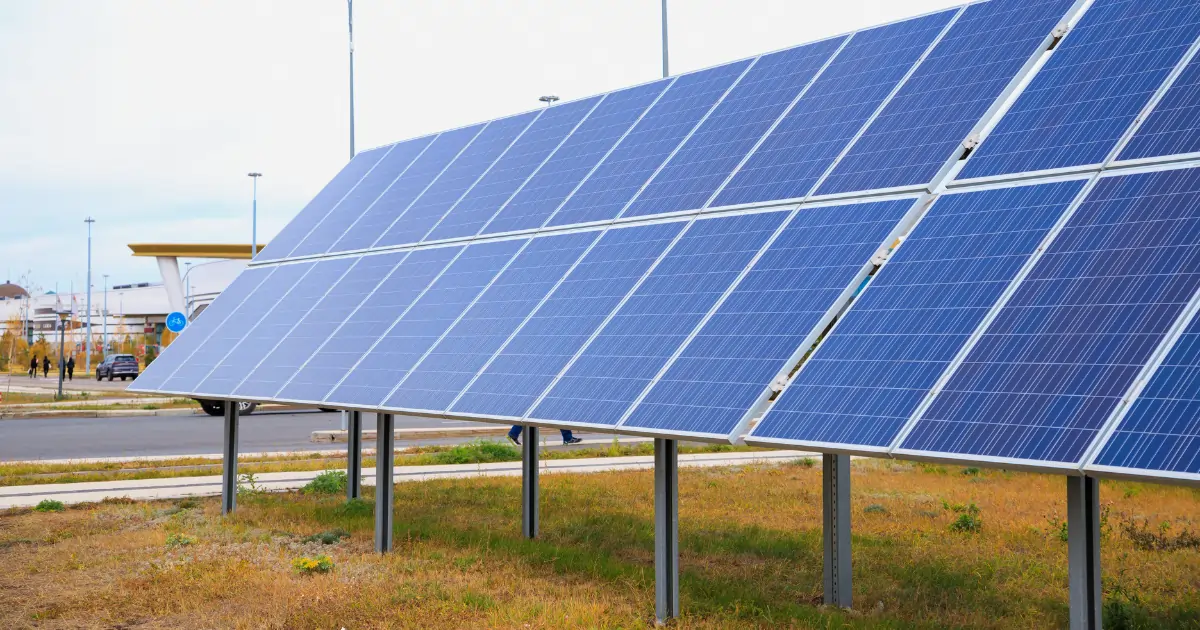
Ground-mounted solar panels become the smart business choice when you need serious energy production or your roof just can't deliver what you need.
Ground installations make business sense when:
Scale matters: If your Leeds business needs considerable energy generation, think large manufacturing operations or data centres, ground installations can scale much larger than roof systems. We're talking hundreds of kilowatts or even megawatt-scale installations.
Your roof's not suitable: Older industrial buildings, complex roof shapes, or structural limitations can rule out roof installations. Ground mounting gives you a fresh start.
You've got the land: Businesses with yards, unused land, or agricultural operations have the space to make ground installations work effectively.
Future expansion: Ground systems can be expanded more easily than roof installations. If your business is growing, starting with ground-mounted panels gives you room to add capacity later.
Leeds' industrial areas and business parks often have the space and energy demands that make ground-mounted solar panels particularly attractive. The ability to install tracking systems (which follow the sun throughout the day) can boost energy production by an additional 20-40%, though this adds complexity and cost.
What are the Cost Differences for Commercial Solar Installations?
Commercial solar economics work differently from domestic installations, but the same basic principle applies. Roof-mounted solar panels typically cost less upfront than ground-mounted systems.
Commercial roof installations benefit from:
Using existing building structure
Shorter cable runs to electrical systems
Less civil engineering work
Faster installation times
Ground-mounted commercial systems involve:
Notable civil works and foundations
Security fencing and site preparation
Longer cable runs and more complex connections
More extensive planning and environmental assessments
However, commercial projects benefit from economies of scale that can offset these differences. Large installations reduce the per-kilowatt cost considerably, and businesses can access capital allowances and VAT reclaim opportunities that domestic customers can't.
The key for Leeds businesses is looking beyond just installation costs. Ground-mounted solar panels often produce more energy and can be expanded more easily, potentially offering better long-term returns despite higher upfront investment.
What are the Energy Output Differences for Commercial Solar Installations?
For commercial installations, the energy output differences between roof and ground systems can be substantial, and that matters when you're talking about serious money.
Ground-mounted commercial systems typically outperform roof installations because:
Optimal positioning: Commercial ground installations can be designed with perfect south-facing orientation and ideal tilt angles. Roof systems work with whatever angle and direction your building provides.
Tracking capability: Large ground installations can incorporate single or dual-axis tracking systems that follow the sun's path, boosting energy production by 20-40%. This isn't practical for roof installations.
No structural constraints: Ground systems can be laid out for maximum efficiency without working around roof equipment, skylights, or building features.
Better maintenance access: Commercial solar systems need regular cleaning and maintenance to perform optimally. Ground-level access makes this much more practical and cost-effective.
Expansion capability: As your Leeds business grows, ground systems can be expanded more easily than roof installations, which are limited by building size.
For businesses with high daytime energy consumption, such as manufacturing, cold storage, or data processing, this extra generation can translate to considerable additional savings. We've seen Leeds businesses reduce their energy costs by 60-80% with well-designed commercial solar systems.
However, don't write off commercial roof installations entirely. A well-designed roof system on a suitable building can still deliver excellent returns, especially when combined with proper maintenance programmes to keep performance optimal.
Pros and Cons at a Glance
Let's cut through the details and give you the straight facts about both options:
Roof-Mounted Solar Panels
Pros:
Cost-effective. Generally cheaper to install, making solar accessible for more Leeds households and businesses
Space efficient. Uses otherwise unused roof area, preserving ground space for other uses
Simple planning. Most installations fall under permitted development, avoiding planning permission hassles
Discrete appearance. Less visually intrusive, especially on modern buildings designed with solar in mind
Built-in security. Height provides natural protection from tampering or damage
Cons:
Roof limitations. Performance constrained by roof orientation, angle, and structural capacity
Maintenance challenges. Cleaning and repairs require professional access, potentially increasing long-term costs
Fixed positioning. Can't be adjusted for optimal sun exposure if roof isn't ideally oriented
Potential roof issues. Installation involves roof penetrations, and panels may need removal for roof repairs
Size restrictions. Limited by available roof space, which may not meet high energy requirements

Ground-Mounted Solar Panels
Pros:
Maximum energy output. Can be positioned for optimal sun capture, often producing 20-25% more electricity than equivalent roof systems
Easy maintenance. Ground-level access makes cleaning, repairs, and snow removal straightforward and cost-effective
Scalable. Not limited by roof size, perfect for high energy needs or future expansion
Flexible positioning. Can work around trees, buildings, or other obstacles that might shade roof installations
No roof dependency. Ideal when your roof structure, orientation, or condition isn't suitable for solar
Cons:
Higher upfront cost. Typically 10-30% more expensive due to mounting structures, foundations, and installation complexity
Space requirements. Need dedicated land area, which isn't feasible for many Leeds properties
Planning permission. Usually required for domestic installations, adding time and potential complications
Visual impact. More noticeable than roof installations, so may face planning objections
Security concerns. More accessible to potential damage or theft, so may require fencing

Which Option is Right for Your Leeds Property?
Right, let's get down to brass tacks. Which solar option makes sense for your specific situation in Leeds?
Choose roof-mounted solar panels if:
Your roof faces south, east, or west with minimal shading
You want the most cost-effective entry into solar energy
Garden or yard space is limited or valuable for other uses
Your property falls under standard permitted development rules
You're looking for a discreet installation that won't affect your property's appearance
This covers most Leeds homes and many businesses. Newer developments and many commercial properties typically have good roof solar potential.
Choose ground-mounted solar panels if:
Your roof faces north or is heavily shaded by surrounding buildings or trees
You need maximum energy generation and have space to accommodate larger systems
Your roof structure can't support solar panels, or you're in a listed building
You have high electricity consumption that requires more panels than your roof can fit
You're planning future expansions of your solar system
This often applies to rural properties, larger homes with extensive grounds, or commercial operations with considerable land and energy requirements.
For Leeds businesses specifically:
Retail and office spaces typically benefit from roof installations
Manufacturing and industrial operations often need the scale that ground mounting provides
Agricultural businesses almost always benefit from ground-mounted systems
Mixed-use developments might use both approaches strategically
The honest truth? There's no universal "best" choice. The right option depends on your property's characteristics, energy needs, budget, and long-term plans.
What matters most is getting professional assessment of your specific situation. Factors like local shading, roof condition, electrical setup, and your energy consumption patterns all influence which approach delivers the best results.
Ready to explore solar options for your Leeds property? Our experienced team understands the unique challenges and opportunities that our city presents. From Victorian terraces to modern commercial developments, we've helped Leeds residents and businesses across all property types find their ideal solar solution.
Get in touch with us for a no-obligation assessment of your property's solar potential. We'll evaluate both roof and ground options, providing honest advice about what works best for your specific situation and budget. For more information about our comprehensive services and about us, we're here to help you lead the way in Leeds' sustainable future.
Frequently Asked Questions
1. Do I need planning permission for solar panels in Leeds?
Roof-mounted solar panels typically don't require planning permission in Leeds under permitted development rights, provided they don't extend more than 200mm from the roof surface and aren't on a listed building or in a conservation area. However, ground-mounted solar panels usually do need planning permission, especially if they're larger than 9m² or taller than 4m. The key exception is conservation areas and listed buildings, where even roof installations may need permission. Leeds' historic areas are particularly strict about visual impact, so we always recommend checking with Leeds City Council or having us handle the planning aspects as part of your installation.
2. How much space do I need for ground-mounted solar panels in Leeds?
For domestic installations, you'll typically need about 10-15m² per kilowatt of capacity, plus additional space for access and maintenance. A 4kW system (suitable for most Leeds homes) would need roughly 40-60m² of south-facing garden space. The panels also need to be positioned away from shade-casting obstacles, generally at least 3-4 metres from your house, trees, or neighbouring buildings. Commercial installations require considerably more space but benefit from economies of scale that make the land use worthwhile. When ground panels are optimally positioned, solar payback periods can be reduced significantly, which helps justify the space requirements.
3. Which option performs better in Leeds' climate?
Ground-mounted solar panels typically outperform roof installations in Leeds' climate by 20-25% due to optimal positioning and better cooling. However, well-designed roof-mounted solar panels on south-facing, east-facing, and west-facing roofs still perform excellently in our climate. Leeds gets around 1,400-1,500 hours of sunshine annually, which is sufficient for strong solar returns with either option. The key factors are avoiding shading (more challenging in built-up areas) and ensuring proper orientation, easier to achieve with ground mounting but often possible with roof installations too. Yorkshire's solar potential is often underestimated but remains highly viable for both installation types.
4. Can I add battery storage to both roof and ground-mounted systems in Leeds?
Absolutely! Solar battery storage can be added to either roof-mounted solar panels or ground-mounted solar panels. The battery system itself is typically installed in your home or building, regardless of where the panels are located. Ground-mounted systems sometimes offer more flexibility for future battery expansion due to easier access to electrical connections, but modern battery systems work excellently with both installation types. Battery storage is becoming increasingly popular in Leeds as it allows you to use your solar energy even during evening hours when panels aren't generating.
5. What maintenance do ground-mounted vs roof-mounted panels require in Leeds?
Ground-mounted solar panels are much easier to maintain. You can clean them with a hose, brush off debris, and check connections without special equipment. This easier access often means better long-term performance as they're more likely to be kept clean and properly maintained. Roof-mounted solar panels require professional cleaning and maintenance due to roof safety concerns. Leeds' occasional harsh weather, including snow and strong winds, can affect both systems, but ground-level panels are easier to clear and inspect. Both solar systems benefit from annual professional inspections through solar maintenance and repair services, but ground systems allow for more frequent DIY maintenance. Regular upkeep helps maximise energy production over the system's 25+ year lifespan, making maintenance accessibility an important consideration.