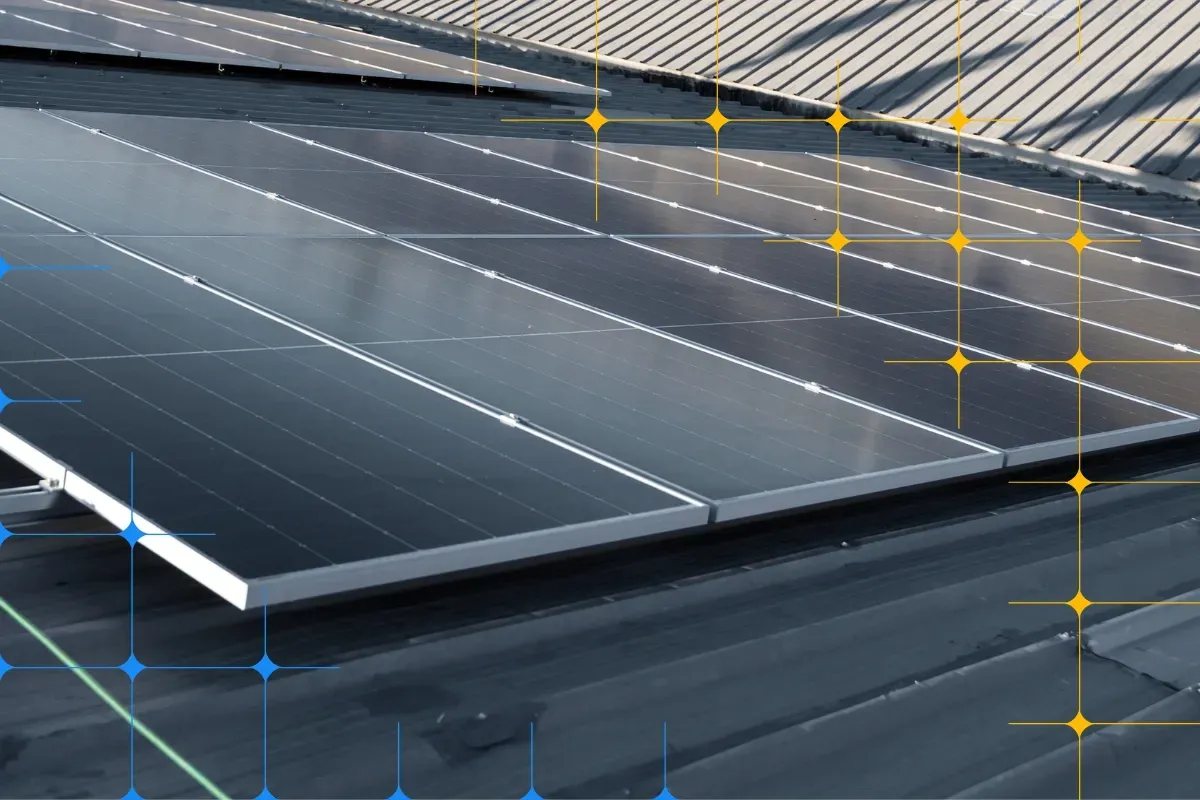
Is Solar on a Metal Roof Is a Smart Move? - Leeds
Got a metal roof on your Leeds home or business? You're already ahead of the game. This combination works well for straightforward, practical reasons not because anyone's trying to sell you on it. Metal roofs are built to last, structurally sound, and in most cases will still be standing long after your solar system has paid for itself several times over. That means no costly panel removals for a re-roof somewhere in the middle of your investment.
Quick take: Metal roofs rank among the best options for solar compatibility. They're strong enough to carry panels without any structural upgrades, last anywhere from 40 to 70-plus years, and standing seam profiles need zero roof penetrations during installation. Whether you're a homeowner in Headingley or a business owner in Holbeck, if your property has a metal roof in decent condition, solar is absolutely worth a serious look.
Table of Contents
Why Solar and Metal Roofs Work Well Together
Are Metal Roofs Suitable for Solar in Leeds?
Types of Metal Roof and What They Mean for Solar Mounting
How Solar Panels Are Mounted on a Metal Roof
The Benefits of Solar on a Metal Roof
The Drawbacks Worth Knowing About
Why Solar and Metal Roofs Work Well Together
Both systems are built with the long haul in mind. Most solar panels carry 25 to 30-year performance warranties. A well-maintained metal roof, by contrast, can last 40 to 70 years or more well beyond the 12 to 30-year lifespan you'd typically get from standard tiles or asphalt. For Leeds properties, that gap matters.
The practical upshot is this: you won't end up in the frustrating position of having to lift and reinstall an entire solar array just because the roof beneath it has given up. With a metal roof, that risk is essentially off the table from the outset. It's a pairing that makes sense on paper and holds up in practice.
There's an environmental angle worth mentioning too. Metal roofing is commonly made from recycled materials and is fully recyclable once it reaches end-of-life, unlike tile and asphalt which typically end up in landfill. Add clean energy generation on top and you've got a building that does its bit from the roof down something increasingly relevant for Leeds businesses with sustainability goals.
Are Metal Roofs Suitable for Solar in Leeds?
The short answer is yes and in many situations, they're the preferred surface to work with. Metal is rated as one of the strongest roofing materials available, yet it's relatively light at around 1.4 to 1.6 pounds per square foot. That balance is useful when you're adding the weight of panels and mounting hardware to a structure.
Older or heavier roofing materials sometimes need structural checks or upgrades before an array can go on. Metal generally doesn't. The structure handles the additional load without any preparatory work in most cases, which keeps installation costs lean.
It's worth knowing that not every installer across Leeds will have hands-on experience with metal mounting systems. Pitched tiles are far more common across the city's Victorian terraces and back-to-back housing stock, so metal roofs are less routine for some companies. Before committing, it's sensible to check whether your chosen installer has actually worked with this roof type before. When they have, the job is often cleaner and quicker than on almost any other surface.
Types of Metal Roof and What They Mean for Solar Mounting
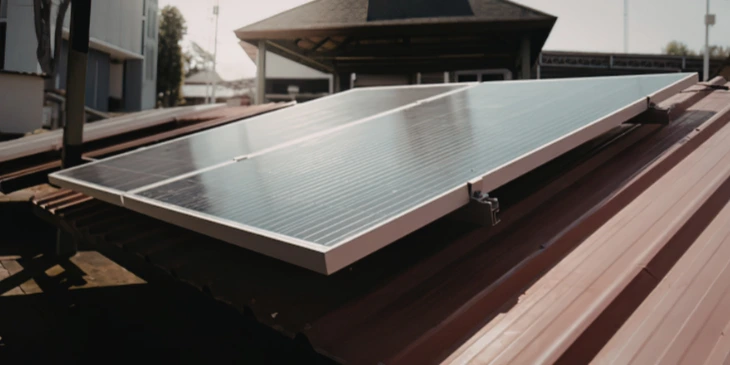
Metal roofing comes in several profiles, and the one you have does affect how an installation gets approached. Here's a clear breakdown of the main types you're likely to encounter across Leeds:
Corrugated metal roofs the ridged or wavy panels common on agricultural buildings, older industrial units, and some commercial properties can absolutely host solar. Installers fix mounting brackets through the metal sheet into the structural supports below. Each fixing point needs careful sealing with gaskets and flashing to stay watertight. Done correctly, it's a solid setup. Corrugated metal typically lasts 30 to 50 years.
Standing seam metal roofs are the standout option for solar compatibility. The raised vertical seams that run the length of the roof act as natural clamping points no drilling needed at all. This is the only common roof type where panels go on without a single hole being made in the material, which keeps the roof's integrity fully intact and often preserves the manufacturer's warranty. Standing seam roofs can last 40 to 70 years, making them an excellent long-term base for a solar system.
Metal tile and shingle roofs are designed to replicate the look of traditional roofing with the durability of metal underneath. Fitting panels on these takes a bit more precision. Installers remove a section of the metal tile, anchor a mounting bracket to the structure below, and then build the array on top. It requires more labour, but the result is watertight and secure when it's done right.
Other profiles, like trapezoidal or box-section metal roofing, follow similar principles to corrugated and require properly sealed penetrations. Zinc and aluminium roofs are particularly long-lived zinc can reach 100 years in service but they need compatible metals in the mounting hardware to avoid galvanic corrosion down the line.
How Solar Panels Are Mounted on a Metal Roof
The installation method changes depending on the profile beneath, but the goal is always the same: a secure, weather-tight system that leaves the roof in good shape.
On standing seam roofs, specialist clamps grip the raised seams directly using set screws, creating firm anchor points for rails without any penetrations. It's a clean, fast approach installation on standing seam is typically 30 to 50% faster than conventional rack systems, which has a direct impact on labour costs.
On corrugated and trapezoidal profiles, mounting brackets are fixed to the peaks of the corrugation and screwed into the rafters or purlins below. Aluminium rails attach to these brackets, and the panels clamp onto the rails. Waterproofing at every fixing point is non-negotiable here: sealing washers, sealant, and flashing all play a part. When it's done properly, the result is a wind-resistant installation that holds up well over time.
On metal tile roofs, the installer removes a tile section, fits a bracket shaped to the roof's profile and anchored to the decking or rafters, then builds the array on top. Replacing the tile rather than drilling through it keeps everything watertight.
There's also a less common option worth knowing about: thin-film panels can be adhered directly to metal roof surfaces, particularly standing seam, with no racking or clamping at all. They're less efficient than standard crystalline panels you'll need more roof area for the same output but they're a practical choice for large commercial metal roofs across areas like South Leeds or East Leeds where industrial buildings are common.
One rule applies across every install: mounting hardware must use compatible metals throughout to prevent galvanic corrosion, and the system needs proper earthing. A qualified installer handles both as standard.
The Benefits of Solar on a Metal Roof
There are real, concrete reasons why experienced installers often prefer working with this roof type. Here are the main ones:
Lifespan match. A metal roof will outlast your solar system. That means no mid-investment disruption to remove panels for re-roofing, which is a real cost and inconvenience that catches plenty of property owners off guard when they have older or lower-grade roofing beneath their array.
Strong but light. At roughly 1.5 pounds per square foot, weight ratings and mounting hardware can be accommodated without structural modifications in most cases. That's not something every roofing material can claim.
No penetrations on standing seam. Clamp-based installation leaves the roof surface entirely intact. No holes, no leak risk from fixings, and no threat to the roof's warranty.
Thermal performance. Many metal roofs feature reflective coatings that reduce heat absorption through the building below. Panels add to this by shading the roof surface and converting sunlight into electricity rather than letting it heat the building. Combine that with battery storage and you're getting the most out of every unit your system generates.
Low upkeep. Metal resists rot, moss, and insects. Solar has no moving parts and needs only occasional cleaning. As a combined system, the two are about as low-maintenance as you'll find. If you do want eyes on your installation, our maintenance team can carry out a check.
Environmental performance. Metal roofing is widely made from recycled content and is fully recyclable at the end of its life. Pair that with clean solar generation and it's a building setup with genuinely strong green credentials relevant for Loiners who want their homes and businesses to lead the way.
The Drawbacks Worth Knowing About
It's only fair to be straight about the challenges. None of them are deal-breakers, but they're worth understanding before you commit.
Higher upfront cost if you're switching. If you're considering moving to a metal roof specifically to pair it with solar, the initial outlay is higher than tile or asphalt. If you already have one, this doesn't apply.
Penetration risk on non-standing seam profiles. Corrugated and trapezoidal roofs need drilled fixings, and any penetration carries a leak risk if it's not properly sealed. Corroded metal can make this trickier. The straightforward solution: use an installer with proven experience on metal roofing.
Thermal expansion. Metal moves with temperature changes expanding in warmth and contracting in cold. Hardware needs to be able to handle that over years of use. The rubber washers on corrugated roof fixings can degrade through repeated cycles, so occasional checks are worth scheduling.
Noise. Metal is noisier in heavy rain than tile or slate. Panels will absorb some of the impact, but you'll still notice more sound during a downpour. This is a characteristic of the roofing material itself, not something solar adds.
Glare on certain finishes. Some finishes can produce glare at particular times of day. Most panels have anti-reflective coatings and are dark in colour, which reduces this, but if your roof is particularly glossy it's worth raising with your installer.
Installer experience matters. Not every company in Leeds regularly works on metal roofing. An incorrect installation could affect the roof's warranty. Choosing an installer who knows this material is the most straightforward way to avoid problems and if you've already got an installation you're not sure about, our maintenance team can take a look.
The Bottom Line on Solar and Metal Roofs in Leeds
These two technologies are well-suited to each other. A metal roof gives your solar system a stable, long-lasting platform one that won't need replacing mid-investment. The structural strength means no costly preparatory work before installation. And on standing seam profiles, the process is cleaner and faster than almost any other roof type you'll encounter.
Most of the potential issues penetrations, corrosion risk, warranty concerns are straightforward to manage with the right installer and hardware. In the UK, that means compliance with MCS 012 and the relevant Eurocode engineering standards, which any reputable company should follow as a matter of course.
If you're a Loiner in North Leeds Roundhay, Chapel Allerton, Horsforth or running a commercial or industrial operation in West Leeds, and your metal roof is in decent condition, solar is a logical next step. The same applies to businesses in Leeds city centre where metal roofing is common on commercial buildings. Lead the way, the Leeds way.
Want to know whether your metal roof is ready for panels? Contact us or find out more about who we are and what we do across the city. You can also browse our solar blog for more guidance on getting the most from your system.
Solar on Metal Roofs FAQs
Can you install solar panels on a metal roof?
Yes. This roof type is considered one of the best surfaces for solar installation. It's strong, long-lasting, and in the case of standing seam profiles, no penetrations are required at all.
Do installers need to drill holes in the roof?
It depends on the profile. Standing seam needs no drilling panels clamp directly onto the raised seams. Corrugated and metal tile roofs do require fixings through the material, but a competent installer seals these with weatherproof gaskets and flashing.
Will solar panels damage my metal roof?
Not when fitted correctly. Quality mounting systems protect the roof rather than compromise it. On standing seam, nothing penetrates the surface. On other profiles, proper sealing keeps everything watertight.
Can a metal roof handle the weight of solar panels?
Yes. Metal is one of the lighter roofing materials and can carry panels and mounting hardware without structural modifications in most cases. A typical panel weighs around 20kg, and spread across an array, that load sits well within what a metal roof structure is designed to handle.
Which type of metal roof is easiest for solar?
Standing seam. The raised seams act as natural clamping points, meaning no holes are made in the roof surface. If you're choosing a new metal roof and already know you want solar, standing seam is worth factoring in from the start. That said, all metal roof profiles can support an array.
Is this a good long-term combination for Leeds properties?
Yes. A metal roof will outlast a solar system, so you won't face the disruption and cost of removing panels for re-roofing during the system's working life. For Leeds homeowners in areas like South Leeds and East Leeds, and for commercial properties across the city, it's a pairing that holds up well over time.