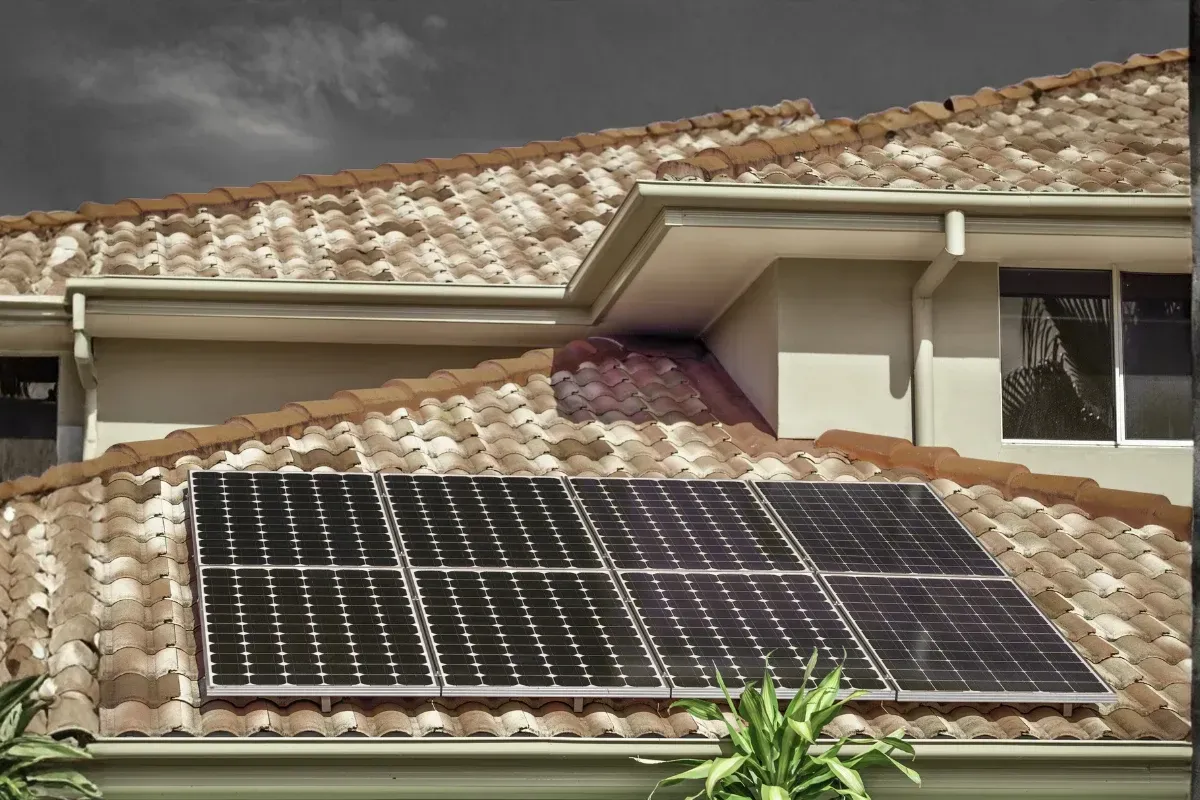
Do Solar Panels Work on Cloudy Days? - Leeds 2025
Let's be honest about Leeds weather. We've got grey skies, drizzle, and clouds that stick around like old friends. If you're thinking about solar panels for your Leeds home, you're probably asking yourself whether they'll actually work in our climate. Here's the straight answer: yes, they will. Solar panels work on cloudy days, producing 10-90% of their peak output depending on cloud thickness. Modern systems are built for climates exactly like ours, and with the right setup, you can still see real savings and make a genuine difference for the environment.
Quick Take: Solar panels generate electricity even under cloud cover because they respond to light particles, not just direct sunshine. Leeds gets enough annual sunlight to make solar worthwhile, and technologies like battery storage and smart panel placement help you get the most from your system during overcast conditions.
Table of Contents
How Solar Panels Work (In Simple Terms)
Types of Clouds and Their Impact on Sunlight
How Cloud Cover Affects Solar Panel Efficiency
Dealing With Cloudy Days: Intermittency and Reliability
Tech and Strategies to Improve Solar Performance in Cloudy Weather
Practical Tips for Homeowners in Leeds
Government and Local Incentives
How Solar Panels Work (In Simple Terms)
Solar panels work through photovoltaic cells that convert sunlight into electricity. These cells don't need blazing sunshine to function. They respond to light particles called photons, which are present even when clouds obscure the sun.
Think of it like this: your eyes can still see on a cloudy day, just not as brightly. Solar panels operate on the same principle. The semiconductor materials inside the cells create an electrical current when photons strike them, regardless of whether that light has travelled directly from the sun or scattered through cloud cover.
The amount of electricity generated depends on light intensity. On a clear day with direct sunlight, your panels produce maximum output. When clouds roll in, output decreases but doesn't stop entirely. This is why solar energy remains practical in Leeds, even though we don't enjoy Mediterranean sunshine.
Cloudy Days in the UK
Let's address the elephant in the room: British weather. Leeds experiences its fair share of overcast conditions, but that doesn't disqualify solar energy. According to annual data, the UK receives between 1,100 and 1,600 hours of sunshine annually, with Leeds sitting comfortably within that range.
Compare that to Germany, which leads Europe in solar capacity despite receiving similar sunshine levels to the UK. The technology works here because it's designed for varied light conditions, not just blazing heat.
Leeds' climate presents a mix of partly cloudy, overcast, and clear days throughout the year. Summer months obviously deliver more sunlight, but even winter provides enough light for panels to contribute meaningfully to your energy needs. Over the course of a year, the cumulative output makes solar panels a worthwhile investment for most properties across North Leeds, South Leeds, and beyond.
Types of Clouds and Their Impact on Sunlight
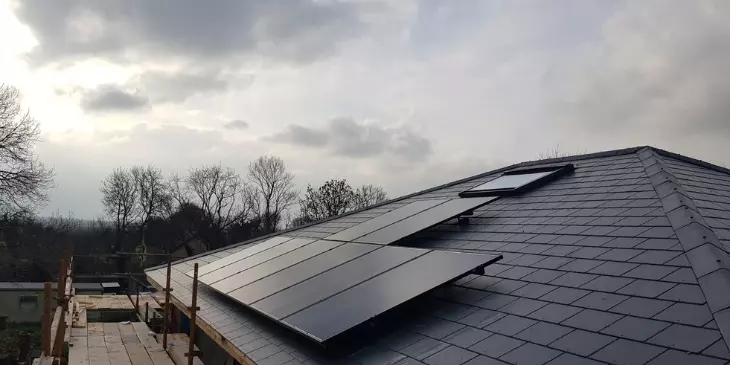
Not all clouds affect solar panel output equally. Understanding the different types helps set realistic expectations for your system's performance.
High Clouds (Cirrus): These wispy, thin clouds sit at high altitudes and allow most sunlight to pass through. Your solar panels might produce 60-90% of their rated capacity under these conditions. You'll barely notice a dip in output.
Mid-Level Clouds (Altostratus, Altocumulus): These create the classic grey sky we know well in Leeds. They block more sunlight but still allow diffuse light through. Expect output to drop to around 40-60% of peak capacity. Your panels are still working, just not at full strength.
Low, Thick Clouds (Stratus, Nimbostratus): These dense, rain-bearing clouds have the most significant impact. Thick clouds can reduce output to 10-30% of maximum capacity. Even on the dreariest days, though, your system continues generating some electricity.
Cumulus Clouds: These puffy clouds create variable conditions as they move across the sky. Output fluctuates between partial shade and full sun, averaging out over time.
The key takeaway? Solar panels produce electricity across all these conditions. Output varies, but it doesn't cease. This adaptability is precisely why solar works in Leeds' changeable climate.
How Cloud Cover Affects Solar Panel Efficiency
When clouds block direct sunlight, solar panel output decreases but remains operational. The reduction depends on cloud density, type, and coverage. Light, scattered clouds might reduce output by 10-30%, while heavy overcast conditions can drop it by 75-90%.
However, solar panels capture both direct and diffuse light. Diffuse light is sunlight scattered by atmospheric particles and clouds. Even when you can't see the sun, this scattered light reaches your panels and generates electricity. This capability is crucial for locations like Leeds where direct sunlight isn't constant.
Modern panels are designed with this in mind. They use anti-reflective coatings and improved cell technologies to maximise light absorption in all conditions. Some panels even perform better in cooler temperatures, which often accompany cloudy weather, offsetting some of the reduced light intensity.
Temperature also plays a role. Solar panels actually become less efficient in extreme heat. Cloudy days often bring cooler temperatures, which can improve panel efficiency even as light levels drop. It's a balancing act that generally works in favour of consistent, moderate performance rather than wild swings between peak and minimal output.
Dealing With Cloudy Days: Intermittency and Reliability
The intermittent nature of solar energy is often cited as a limitation, but modern solutions address this concern effectively. The primary strategy is battery storage, which stores excess electricity generated during sunny periods for use when output drops.
Battery systems have become increasingly affordable and sophisticated. They automatically charge when your panels produce more electricity than your home consumes, then discharge that stored energy during evening hours or cloudy periods. This creates a buffer against weather variability.
For homes without battery storage, the grid serves as a backup. When your panels underproduce, you draw electricity from the grid as usual. When they overproduce, you can export surplus energy back to the grid, often earning credits through schemes like the Smart Export Guarantee (SEG).
Smart energy management systems take this further by learning your consumption patterns and weather forecasts. They can pre-charge batteries before anticipated cloudy spells or shift high-energy tasks to sunny periods. This intelligent orchestration maximises the value of every kilowatt-hour your panels generate.
Reliability isn't about producing constant output every hour of every day. It's about generating enough electricity across weeks and months to significantly reduce your energy bills and carbon footprint. In Leeds, properly sized solar systems with or without batteries achieve exactly that.
Tech and Strategies to Improve Solar Performance in Cloudy Weather
Several technologies and strategies help solar panels perform better in less-than-ideal conditions.
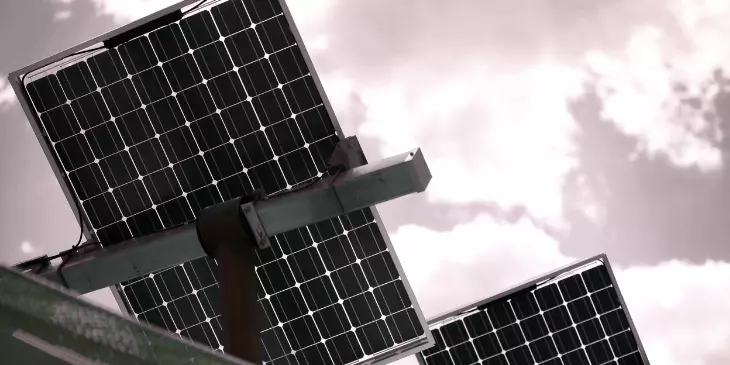
Bifacial Solar Panels: These panels capture light on both sides, collecting reflected light from surrounding surfaces. In cloudy conditions, the additional light capture can boost output by 5-15% compared to standard panels.
PERC Technology: Passivated Emitter and Rear Cell (PERC) technology improves how panels capture and convert light. These cells include an additional layer that reflects unused light back through the cell for a second chance at conversion. This increases efficiency across all light conditions, including overcast weather.
Microinverters: Traditional string inverters connect all panels in a series, meaning the performance of the entire array is limited by the weakest panel. Microinverters attach to individual panels, allowing each to operate independently. This prevents partial shading or varying cloud cover from disproportionately reducing total system output.
Panel Positioning: Working with experienced installers who understand Leeds' solar geometry makes a substantial difference. Optimal tilt angles and south-facing orientations capture maximum available light throughout the year. Even properties in East Leeds or West Leeds with less-than-perfect roof angles can benefit from thoughtful system design.
Regular Maintenance: Clean panels absorb more light. Dust, bird droppings, and debris reduce efficiency more noticeably in low-light conditions. Professional maintenance services ensure your panels operate at peak capacity year-round.
Practical Tips for Homeowners in Leeds
If you're considering solar panels for your Leeds home, here's what you should focus on:
Size Your System Appropriately: Don't undersize based on pessimistic weather assumptions. A properly sized system accounts for seasonal variation and still delivers strong returns. Installers use annual irradiance data specific to Leeds to calculate optimal system size for your energy needs.
Consider Battery Storage: Batteries aren't essential, but they substantially increase energy independence and allow you to use solar power during evening hours when output naturally drops. They're particularly valuable for homes in areas like Headingley or Roundhay looking to maximise self-consumption.
Choose Quality Components: Higher-efficiency panels cost more upfront but generate more electricity from the same amount of light. In a climate with frequent cloud cover, this efficiency difference compounds over time. The same applies to inverters, mounting systems, and batteries.
Work With Local Experts: Installers familiar with Leeds' climate, building regulations, and typical roof structures deliver better results. They understand local weather patterns and can design systems optimised for our specific conditions. Whether you're in Chapel Allerton, City Centre, or Horsforth, local expertise matters.
Monitor Your System: Modern monitoring platforms show real-time and historical performance data. This helps you understand how your system responds to different weather conditions and quickly identifies any issues requiring attention.
Government and Local Incentives
Financial incentives make solar panels more accessible and improve return on investment, even in cloudier climates.
The Smart Export Guarantee (SEG) pays you for surplus electricity exported to the grid. Rates vary by supplier, but this income offsets the periods when your panels produce less than your consumption. Over time, SEG payments contribute meaningfully to your system's financial return.
Zero VAT on installations (currently in effect for residential solar) reduces upfront costs by 20%. This makes solar more affordable for homeowners across Leeds, from Beeston to Moortown.
Some local councils offer additional grants for renewable energy installations. These vary over time, so it's worth checking what's available when you're ready to proceed.
The financial case for solar doesn't rely solely on incentives. Reduced electricity bills form the bulk of savings, and as grid electricity prices remain high, the value proposition strengthens regardless of weather conditions.
Final Thoughts on Solar on Cloudy Days
Solar panels work perfectly well on cloudy days. They produce reduced output compared to sunny conditions, but they continue generating electricity and contributing to your energy needs. For Leeds homeowners, this means solar remains a practical, financially sound investment despite our reputation for grey skies.
The technology is specifically designed for climates like ours. Germany's solar success in similar conditions proves the point. With proper system design, quality components, and realistic expectations, your solar panels will deliver substantial benefits for decades.
If you're ready to explore how solar could work for your Leeds property, contact us for a personalised assessment. Our team understands local conditions and can design a system optimised for your specific situation. Learn more about our approach to delivering reliable solar solutions across Leeds.
Solar Panels and Clouds FAQs
Do solar panels work in winter?
Yes, solar panels work throughout winter, though output is lower due to shorter days and lower sun angles. Cold temperatures actually improve panel efficiency, partially offsetting reduced daylight hours. Annual performance accounts for seasonal variation.
How much electricity do solar panels generate on cloudy days?
Output typically ranges from 10-25% of peak capacity under heavy clouds, up to 70-90% under light, high clouds. The exact figure depends on cloud type, thickness, and panel quality.
Are solar panels worth it in Leeds' climate?
Absolutely. Leeds receives sufficient annual sunlight for solar panels to deliver strong financial returns. Many Leeds properties in areas like Headingley and Roundhay benefit significantly from properly designed solar systems.
Do I need battery storage with solar panels?
Battery storage isn't essential, but it increases energy independence and allows you to use solar-generated electricity during evenings and cloudy periods. Batteries maximise self-consumption and provide backup power during grid outages.
What happens to solar panels during storms?
Modern solar panels are designed to withstand typical British weather, including storms and high winds. They're tested to strict safety standards and properly installed systems remain secure in severe conditions.
Can solar panels damage my roof?
When professionally installed, solar panels protect the roof area they cover and don't cause damage. Installers use appropriate mounting systems that maintain weatherproofing and structural integrity.
Do solar panels require maintenance?
Solar panels require minimal maintenance. Occasional cleaning and annual inspections ensure optimal performance. Professional maintenance services keep systems running efficiently for decades.
What's the payback period for solar panels in Leeds?
Payback periods typically range from 8-12 years depending on system size, electricity usage, and energy prices. After payback, you continue benefiting from free electricity for the remainder of the system's 25-40 year lifespan.